Understanding the nuances of jewelry materials is essential for consumers. One common question arises: "What is the difference between gold plated and gold filled?" This distinction is critical for making informed purchasing decisions. According to industry research, approximately 80% of jewelry consumers prefer pieces that resist tarnishing and maintain their luster over time.
Gold plated jewelry features a thin layer of gold over a base metal. This layer can be as thin as 0.5 microns, which may wear off easily with time and exposure. In contrast, gold filled jewelry has a much thicker layer, typically around 5% of its total weight. This results in greater durability and longevity, making it a more reliable option for everyday wear.
While gold plated items are often more affordable, they may lack the quality that many consumers desire. Reports indicate that around 22% of buyers experience dissatisfaction with their gold plated jewelry due to tarnishing. In contrast, gold filled jewelry offers a practical middle ground, with a more substantial gold layer that retains its beauty longer. The choice between these two options ultimately hinges on personal preferences and lifestyle needs.
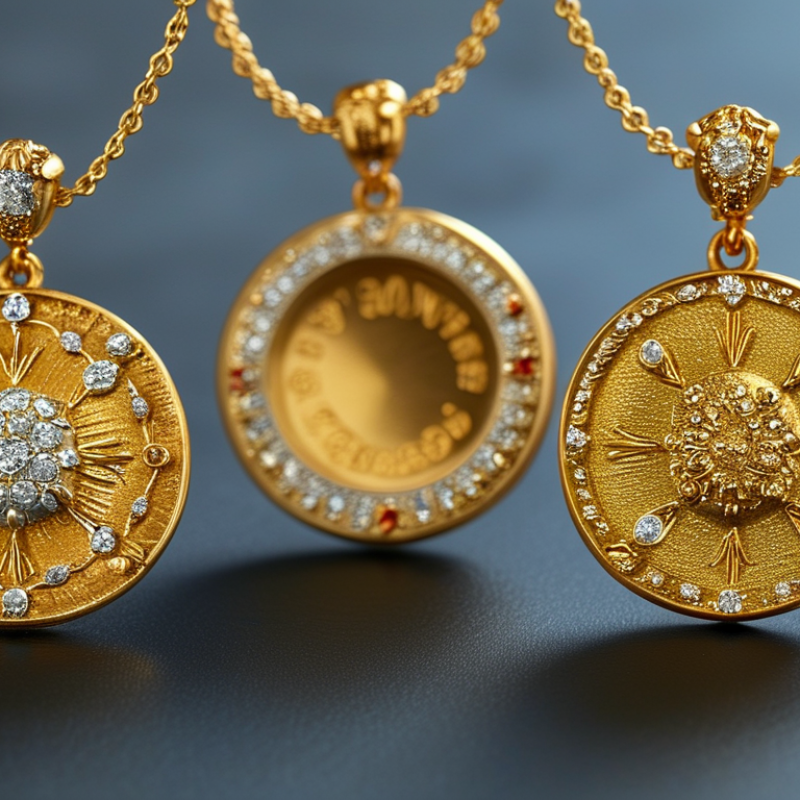
What is Gold Plated Jewelry? Definition and Characteristics
Gold plated jewelry is a popular choice for those seeking elegance at an affordable price. It consists of a base metal, such as brass or copper, that is coated with a thin layer of gold. This layer is usually applied using electroplating or a similar method. The result is a beautiful, shiny finish that mimics solid gold.
However, the quality of gold plated jewelry varies significantly. The thickness of the gold layer is crucial. Thicker layers tend to last longer and resist tarnishing. In contrast, thinner layers may wear off quickly, exposing the base metal. Many people find this wear disappointing, especially when they expect longevity.
Over time, it's important to care for gold plated pieces properly. Avoid harsh chemicals and store them in a dry place. Regular maintenance can extend their lifespan. Despite their allure, some find that gold plated jewelry doesn't hold the same value as gold filled options. This realization often leads to reflection on personal priorities in jewelry selection.
Understanding Gold Filled Jewelry: Definition and Specifications
Gold filled jewelry is often misunderstood. It consists of a solid
layer of gold bonded to a base metal. This process ensures durability and longevity. The gold layer must be at least 1/20th of the total weight.
This makes it more valuable than gold plated items, which have a much thinner gold coating.
When you wear gold filled jewelry, it looks and feels like solid gold. It won’t tarnish easily, making it ideal for everyday wear.
However, it can still fade over time if not cared for properly. Cleaning should be gentle, avoiding harsh chemicals.
Consider storing it in a dry place to prolong its shine.
Gold filled pieces are a great option for those who want quality without breaking the bank.
They offer a balance of beauty and affordability. While some may prefer solid gold, gold filled items are still a treasured alternative.
Understanding these distinctions helps make informed choices when selecting jewelry.
Comparative Analysis: Durability of Gold Plated vs. Gold Filled
When it comes to jewelry, understanding the difference between gold plated and gold filled is essential.
Gold plated items have a thin layer of gold applied over a base metal. This layer can wear away over time, exposing the metal underneath. Generally, a gold plating is around 0.5 microns thick. This makes gold plated jewelry more affordable but less durable.
On the other hand, gold filled jewelry features a much thicker layer of gold. It is created by bonding gold to a base metal, and this layer must be at least 1/20th of the total weight. This makes gold filled items last longer, as the gold layer is more resistant to wear and tarnish. Thus, users can expect gold filled jewelry to withstand daily use better than gold plated options.
While both options have their advantages, durability varies significantly. If you prefer longevity, gold filled is the better choice. But accessing various styles might lead you to gold plated items. Carefully consider your lifestyle. The wear and tear you expect from your jewelry will help guide your decision.
Cost Considerations: Price Differences Between Gold Plated and Gold Filled
When choosing jewelry, understanding cost differences is essential. Gold plated and gold filled pieces serve different budgets. Gold plated items have a thin layer of gold over a base metal. This process is cheaper, making these pieces attractive for casual wear. However, their lifespan can be short. With everyday use, the gold layer may wear off quickly.
Gold filled jewelry features a thicker layer of gold, bonded to a base metal. This results in greater durability and longer wear. While gold filled items may cost more upfront, they often prove to be a better investment. The thicker gold layer resists tarnishing and fading. That means you spend less in the long run, as you won't need replacements as frequently.
Keep in mind that the initial price varies significantly. Gold plated items appeal to those on a budget, while gold filled options cater to those seeking longevity. When considering your purchase, think about how often you will wear the piece. Will it be a daily accessory or an occasional statement? This reflection can guide you toward a choice that fits your lifestyle and financial goals.
2026 Best Guide: Cost Comparison Between Gold Plated and Gold Filled Jewelry
This chart compares the average costs of gold plated and gold filled jewelry. Gold plated items typically have a lower cost around $50, while gold filled jewelry is valued higher, averaging around $150. This information can help you make informed decisions when purchasing jewelry based on your budget and preferences.
Identifying Genuine Gold Filled: How to Recognize Authenticity
When distinguishing genuine gold-filled jewelry, several key characteristics come into play. Gold-filled items contain a layer of gold that is mechanically bonded to a base metal. This layer must be at least 1/20th of the item's total weight. Notably, this is a critical factor; gold plating, which is much thinner, wears off quickly. An industry report indicates that gold-filled jewelry can last a lifetime if properly cared for, while gold-plated pieces may need replacing within a few years.
To ensure authenticity, examine the item for markings. Genuine gold-filled jewelry often has a stamp indicating its gold content, such as "1/20 GF" or "14K GF." These markings signify that the jewelry meets the legal requirements of gold-filled certification. Additionally, check for a solid feel and weight; authentic pieces are noticeably heavier than gold-plated ones.
Aesthetics can also reveal authenticity. Gold-filled jewelry displays a rich, warm color, retaining its luster long after purchase. Compare the surface quality; gold-filled items have a smoother finish compared to the often inconsistent surface of gold-plated pieces. Remember, while these guidelines assist in identifying genuine items, the market is evolving, and imitation practices are becoming more sophisticated. Always approach your purchases with a critical eye, ensuring that you are well-informed.
FAQS
: Gold plated jewelry features a base metal coated with a thin layer of gold.
It is usually applied through electroplating or similar methods.
The thickness of the gold layer is crucial for durability and resistance to tarnishing.
Keep it dry and avoid harsh chemicals to extend its lifespan.
Thinner layers can wear off quickly, exposing the base metal underneath.
Gold filled jewelry has a solid layer of gold bonded to a base metal, ensuring durability.
Gold filled items are more valuable and durable, as they have a thicker gold layer.
Yes, but it doesn't tarnish easily if cared for properly.
Avoid using harsh chemicals; gentle cleaning is best.
It's more valuable than gold plated jewelry and a great option for quality without high costs.
Conclusion
In the exploration of jewelry materials, one common question arises: "What is the difference between gold plated and gold filled?" Gold plated jewelry refers to items that have a thin layer of gold applied over a base metal, providing a gold-like appearance at a more affordable price. However, this layer can wear off over time, affecting the durability of the jewelry. On the other hand, gold filled jewelry is composed of a thicker layer of gold, mechanically bonded to a base metal, making it more durable and resistant to tarnish.
When considering cost, gold filled pieces often come at a higher price point due to their superior composition and longevity. Additionally, recognizing the authenticity of gold filled items is essential for buyers; genuine pieces will typically be marked with "GF" or "Gold Filled" to distinguish them from gold plated counterparts. Overall, understanding these differences helps consumers make informed choices when purchasing jewelry.

