Cannhost Jewelry Cannhost Jewelry

Why Are Handcrafted Chains Priced Higher Than Machine Made?

Time:2026-05-03 Author:Henry
0%

When exploring the jewelry market, one question often arises: why are handcrafted chains more expensive than machine-made? Handcrafted chains represent an art form. Each piece is made with meticulous skill and attention. Artisans pour their heart into every link, ensuring quality and uniqueness.

Machine-made chains, while efficient, lack this personal touch. They are produced in bulk. This mass production lowers costs but compromises individuality. Handcrafted chains often feature intricate designs that reflect the craftsman's expertise. The time invested in creating these pieces adds to their value.

Consumers are increasingly valuing authenticity. They appreciate the story behind each handcrafted chain. However, understanding the price difference can be complex. The market often overlooks the craftsmanship and effort involved. By examining these factors, we can gain insight into why many opt for the beauty of handcrafted chains despite the higher price.
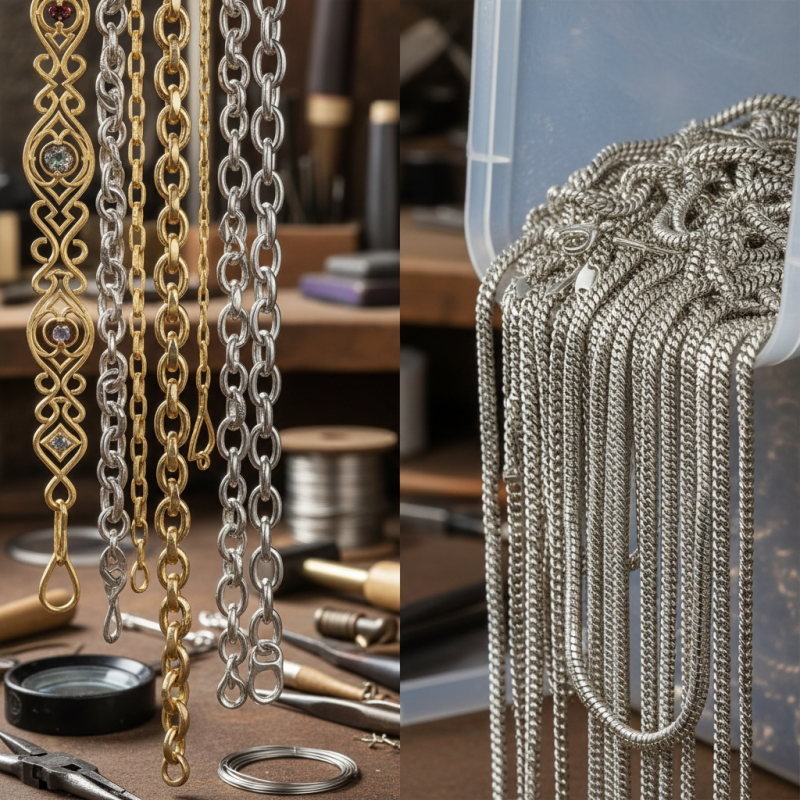
Why Are Handcrafted Chains Priced Higher Than Machine Made?

Factors Contributing to the Cost of Handcrafted Chains

Handcrafted chains often come with a higher price tag due to several key factors. The craftsmanship involved in creating these pieces is a significant contributor. Artisans dedicate hours to design and fabricate each chain, ensuring every link is meticulously formed. This level of attention to detail requires not only skill but also years of experience.

Materials used in handcrafted chains also play a crucial role. Artisans often select high-quality metals and gemstones, which can significantly impact price. The sourcing process for these materials is often more transparent, elevating their perceived value. In contrast, machine-made chains may utilize lower-grade metals to cut costs.

One must also consider the emotional aspects of ownership. Handcrafted pieces often carry a story or signify a journey. This emotional connection can justify their higher cost. Yet, some consumers may struggle to understand this value, leading to reflections on personal preferences in jewelry. The dichotomy between machine and handcrafted items invites a deeper examination of value and artistry in today's marketplace.

Material Quality in Handcrafted Versus Machine-Made Chains

When comparing handcrafted and machine-made chains, material quality stands out prominently. Handcrafted chains often use superior materials. Artisans select high-grade metals to ensure durability and aesthetic appeal. This careful selection process is not just a technical choice but also a commitment to quality.

In contrast, machine-made chains might prioritize efficiency over quality. These chains often use lower-grade materials to cut costs. The result can be a product that lacks the sheen and strength of a well-crafted piece. Handcrafted chains may sometimes show variations. These imperfections reflect the artistry and effort invested, emphasizing the human touch behind each piece.

The choice between handcrafted and machine-made pieces can dictate your experience. Handcrafted items connect you to their creators, offering a unique story. Each imperfection becomes a point of reflection. A machine-made chain may lack that personal connection. The question arises: how important is the story behind your jewelry?

Artisan Skill and Time Investment in Handcrafted Jewelry

Handcrafted chains often carry higher prices than their machine-made counterparts. This price difference reflects the artisan skill and time investment required for creation. According to a 2021 jewelry industry report, artisans can spend up to 40 hours crafting a single piece. This meticulous process ensures quality and uniqueness, characteristics that mass production cannot replicate.

The craftsmanship involved is significant. Artisans utilize techniques passed down through generations. They often rely on their expertise to perfect every link and join. A simple chain may appear straightforward, but it requires precision and patience. Each piece tells a story of the artisan’s dedication. Personal touch and artistry contribute greatly to the perceived value. Many consumers are willing to pay a premium for authentic craftsmanship.

However, evaluating the worth of handcrafted jewelry involves subjective factors. Some buyers may not appreciate the difference. They might prioritize price or brand recognition over artisan skill. As a result, the market can be competitive. A fine balance exists between honoring craftsmanship and meeting consumer expectations. This ongoing dialogue highlights the complexities within the jewelry industry.

Unique Design and Customization in Handcrafted Chains

Handcrafted chains boast unique designs and customization options that machine-made alternatives simply can’t match. According to a recent report from the Fine Jewelry Association, over 70% of consumers believe that handcrafted jewelry feels more personal. This is because artisans infuse their creativity and personal touches into each piece. As a result, each chain reflects individual artistry and story.

Customization plays a vital role in defining handcrafted chains. Buyers can select materials, lengths, and finishes, tailoring each piece to their preferences. The same report indicates that 65% of consumers are willing to pay more for customizable products. However, it's essential to recognize that this intricate process can lead to inconsistencies in quality and design, sometimes leaving customers disappointed. Every artisan has their distinct style, which may not appeal to all buyers.

In the realm of craftsmanship, knowledge and experience matter deeply. Artisans often undergo years of training to refine their skills. A survey by the Jewelry Industry Association found that 80% of handcrafted jewelry has a backstory, appealing to those who value authenticity. Still, the challenge remains to ensure that these stories resonate with the target audience. The art of balance between unique design and market appeal is continually evolving.

Price Comparison of Handcrafted vs Machine-Made Chains

Market Demand and Perception of Value in Jewelry Pricing

The increasing demand for handcrafted jewelry is reshaping market dynamics. Reports indicate that the global handcrafted jewelry market is projected to experience a CAGR of approximately 14% from 2021 to 2028. Shoppers often perceive handcrafted chains as unique treasures. This perception elevates their perceived value.

Consumers appreciate the artistry behind each piece. Handmade items often reflect cultural significance and personal stories. Each handcrafted chain is not just a product; it carries emotional weight. Reports show that over 70% of jewelry buyers express a preference for unique, handmade options. They are willing to pay more for distinctiveness.

However, there are challenges. The labor-intensive nature of handcrafted jewelry can lead to higher prices. This can alienate some buyers. Machine-made chains, in contrast, produce consistency and affordability. But they lack the soul that many consumers seek.
Balancing craftsmanship with market accessibility remains an ongoing reflection for designers and artisans alike.

FAQS

: What makes handcrafted jewelry more expensive than machine-made jewelry?

: Handcrafted jewelry requires extensive artisan skill and time. Artisans can spend up to 40 hours on one piece.

Why do consumers value handcrafted chains?

Consumers appreciate the uniqueness and personal touch in handcrafted items. Each piece tells a story of dedication.

How does customization affect the value of handcrafted jewelry?

Customization offers buyers options for materials and designs. Many are willing to pay more for personalized pieces.

Are there any downsides to purchasing handcrafted jewelry?

The intricate process can lead to inconsistencies in quality. Some buyers may feel disappointed if expectations aren't met.

What influences the perception of value in handcrafted jewelry?

Consumers often see handcrafted pieces as treasures with emotional significance. Artistry adds to their overall perceived value.

How does market demand affect handcrafted jewelry pricing?

High demand leads to increased prices, which may alienate some buyers. However, many value distinctiveness over affordability.

What challenges do artisans face in the jewelry market?

Balancing craftsmanship with market accessibility can be difficult. Artisans must continually adapt to consumer preferences.

Is there a backstory to most handcrafted jewelry?

Yes, about 80% of handcrafted jewelry has a unique backstory. These stories appeal to those who appreciate authenticity.

How do machine-made chains differ from handcrafted ones?

Machine-made chains offer consistency and lower prices, but lack the soul and personal touch of handcrafted items.

Why might some buyers not appreciate handcrafted jewelry?

Some may prioritize price or brand recognition over the artisan's skill. This reflects a broader market variability and competition.

Conclusion

Handcrafted chains are generally priced higher than machine-made alternatives due to several key factors. First, the quality of materials used in handcrafted jewelry often surpasses that of mass-produced options, leading to a more durable and aesthetically pleasing product. Additionally, the artisan skill and time investment required to create each piece significantly influence costs, as skilled artisans dedicate hours to ensure precision and craftsmanship.

Furthermore, handcrafted chains often feature unique designs and customization options, setting them apart in a crowded market. This individuality, combined with a growing consumer demand for bespoke and artisanal products, enhances the perceived value of handcrafted jewelry. Ultimately, when asking, "Why are handcrafted chains more expensive than machine-made?" the answer lies in the superior material quality, the artistic skill involved, and the unique nature of handmade creations.

Henry

Henry

Henry is a dedicated marketing professional with a profound expertise in the company's offerings. With years of experience in the industry, he possesses an impressive understanding of the market dynamics and consumer behaviors that drive success. Henry is committed to sharing his insights through......