How to Tell If a Crystal Pendant Is Dyed or Natural in 2026?

Time:2026-11-12 Author:Mason
0%

A bright crystal pendant can look natural at first glance, yet color may come from dye, heat, or another treatment. How to tell if a crystal pendant is dyed or natural begins with careful observation, not a single online trick. In daylight, compare the color across the stone. Look closely at drill holes, tiny cracks, and surface pits; dye can sometimes collect there and appear darker. Uneven color is a clue, not proof.

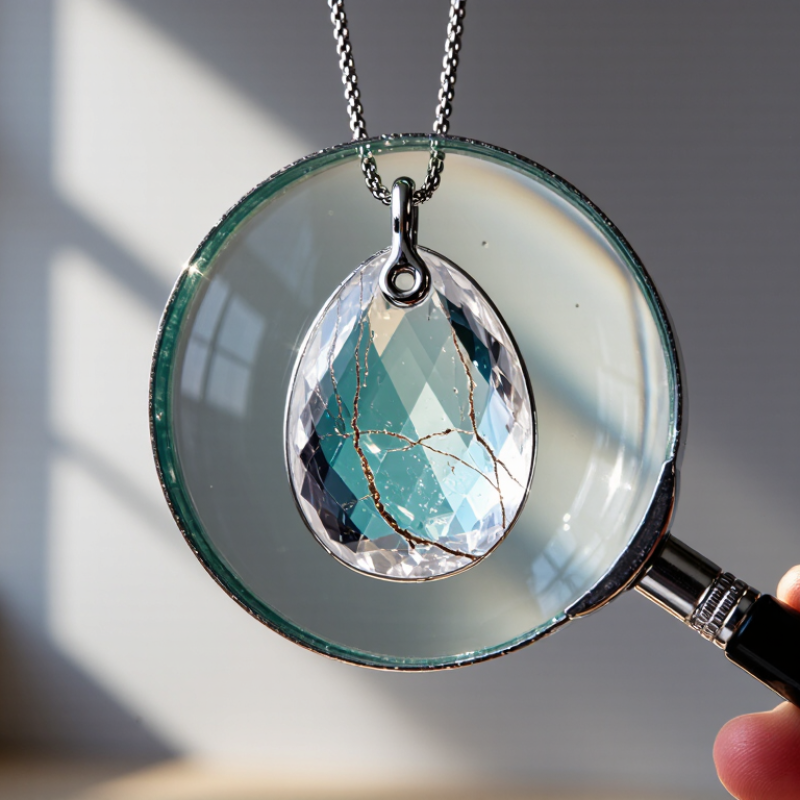
Use a magnifier if you have one. Check whether the color follows natural bands or seems to pool along fractures. Notice the setting, too: metal can hide useful areas. Avoid bleach, solvents, scraping, or strong heat. These can damage the pendant and still give a misleading result. A quick test rarely settles it.

This guide explains what visual clues can—and cannot—tell you, how to inspect a pendant safely, and when a qualified gemologist may be worth consulting. Ask the seller for treatment details and written descriptions, especially when a purchase depends on the stone being untreated. Photos and lighting can distort color, so compare the pendant in neutral daylight when possible. Even careful inspection has limits. I may be wrong about a subtle clue; appearance alone cannot confirm every treatment. A cautious conclusion is more useful than a confident guess.
How to Tell If a Crystal Pendant Is Dyed or Natural in 2026?

What “Dyed” and “Natural” Mean for Crystal Pendants

“Natural” describes a crystal’s geological origin; “dyed” describes a color treatment. They are not opposites. A pendant can be natural quartz whose color was changed after mining. CIBJO’s Gemstone Blue Book treats dyeing as an enhancement, so ask sellers to distinguish origin from treatment. “Natural color” means no added dye is claimed, but it does not automatically prove every other treatment is absent.

Look closely at pale drill holes, surface scratches, and fractures. Dye may collect there, creating unusually dark lines or color patches. But appearance alone is not proof. GIA’s Gem Encyclopedia lists quartz at Mohs 7 and chalcedony at 6.5–7; those hardness figures describe durability, not whether a stone was dyed. A phone photo can hide telltale details. Ask for written treatment disclosure and, for a valuable pendant, an independent gemological assessment. Even experienced buyers can misread color. That uncertainty deserves honesty.

How to Tell If a Crystal Pendant Is Dyed or Natural in 2026?

What “Dyed” and “Natural” Mean for Crystal Pendants

“Natural” describes a stone’s geological origin; it does not necessarily mean the stone is untreated. “Dyed” means color has been added to the stone. This chart shows typical Mohs hardness ranges for common pendant materials, not a dye test: dyed and undyed pieces of the same mineral have the same underlying hardness. Look for concentrated color in cracks or around drill holes, but these clues are not conclusive; gemological testing may be needed to confirm treatment.

How to Inspect Color Distribution and Surface Details

Under a bright, neutral light, turn the pendant slowly and compare its color across the face, edges, and drilled hole. GIA gem-identification guidance uses 10× magnification to inspect features that may reveal treatments. Look closely. Dye can collect in tiny fractures, pits, or around a setting, creating darker lines or unusually bright spots. A cotton swab is not a reliable test, and scraping can damage the stone. Not proof.

Natural color can vary, too. Inclusions, growth bands, and uneven lighting may create patches that resemble dye. Check the surface for color sitting in scratches, then compare it with the interior visible near the hole. GIA’s published identification guidance emphasizes examining multiple features rather than relying on color alone. That matters: a polished surface can hide clues, and some treatments are difficult to see without laboratory testing. A loupe helps, but it cannot confirm every pendant’s origin. If the color looks unnaturally concentrated, record what you see and ask a qualified gemologist to assess it. I would not call a stone dyed from one dark crack alone.

What to Look for in Cracks, Holes, and Settings

A crystal pendant can look evenly colored from the front and tell a different story at its edges. Check it in soft daylight, then use a 10x loupe if available. Look closely at natural cracks. Dye may gather in them as dark lines, bright spots, or uneven color streaks. Around the drilled hole, color that forms a sharp ring can also raise questions.

Still, a crack is not proof of dye. Natural minerals can have fractures, dark inclusions, or uneven color zoning. Some also show surface staining. Compare the color inside a crack with the nearby crystal, rather than judging one mark alone. A pale face with unusually vivid color deep in the hole deserves a closer look. But lighting can fool you.

The setting matters, too. Metal caps and glue may cover the hole or hide the pendant’s back, so inspect every visible edge without pulling or prying at the piece. Check whether color fades beneath the setting or appears concentrated where the stone was drilled. A phone camera can exaggerate saturation; use your eyes first. I have found this part easy to misread. If the clues conflict, ask a qualified gemologist to examine the pendant and explain any treatment findings.

How to Tell If a Crystal Pendant Is Dyed or Natural in 2026? - What to Look for in Cracks, Holes, and Settings

Area to inspect Possible signs of dye What can occur in natural material How to interpret it
Cracks and fractures Color appears unusually concentrated in cracks, pits, or along fracture lines, especially when the surrounding surface is much paler. Natural inclusions, fractures, and color zoning may also create uneven patterns or darker areas. Color pooling is a warning sign, not proof. Inspect several areas under neutral, bright light.
Drilled hole and drill channel The inside of the hole looks more intensely colored than the outside, or colored residue is visible around the opening. A drilled surface may look different because of lighting, roughness, or the way the material was cut. Compare both ends of the hole with the pendant’s surface using a loupe or phone macro lens. Avoid scraping or probing.
Surface color and pattern Color looks very saturated or nearly uniform across areas that would normally show different textures, with abrupt dark patches near openings or edges. Natural crystals can be vivid or fairly uniform; many also show color bands, inclusions, or variation. Uniformity alone cannot identify dye. Consider the stone’s claimed identity and compare it with reliable reference information.
Edges and worn spots Small chips or worn edges reveal a noticeably paler area beneath the colored surface. Natural surface wear can expose a different-looking interior too, particularly where the stone has varied color. Do not create a chip to test the pendant. Use existing wear only, and treat the observation as one clue.
Setting, bail, and covered areas A color difference is visible between exposed portions and areas beneath the setting, or the mounting hides cracks and drilled openings. Shadows, metal reflections, dirt, and limited light can make covered areas appear darker or different in color. A setting is not evidence of natural or dyed color. Ask a jeweler to inspect concealed areas without forcing the stone out.
Care and simple checks A seller’s care instructions may warn that color can fade or transfer, which can be relevant but is not conclusive on its own. Some natural stones are also sensitive to chemicals, heat, or prolonged sunlight. Avoid bleach, acetone, solvents, heat, and scratch tests. For a valuable pendant, seek assessment from a qualified gemologist or gem-testing laboratory.

Note: Visual clues can suggest treatment but cannot reliably confirm whether a crystal is dyed. A professional examination may be needed for a dependable identification.

Which Simple Tests Can Help—and Which Can Cause Damage

How to Tell If a Crystal Pendant Is Dyed or Natural in 2026?

Start with a loupe or phone macro lens, not a chemical test. Look around drilled holes, tiny chips, and surface cracks. Dye may collect there, creating darker edges or unusually even color. Natural color can also vary, though, and treatments can be difficult to spot by eye. A clue is not proof.

Tips: Check the pendant in daylight against a plain white background. Compare its color across several areas, and inspect the cord hole closely. Avoid acetone, alcohol, bleach, heat, and scratch tests; they can damage coatings, porous stones, or the setting. Even a damp cloth may be unsuitable for some materials.

A UV flashlight may reveal differences in fluorescence, but results are inconsistent. Some natural stones glow, and some dyed stones do not. Don’t treat a color change as a verdict. If the pendant matters financially or sentimentally, ask a qualified gemologist to examine it with appropriate equipment. That may feel less satisfying than a quick home test, but it is safer. And honestly, appearance alone can leave a little uncertainty.

How to Weigh Seller Information and Testing Limits

How to Tell If a Crystal Pendant Is Dyed or Natural in 2026?

How to Weigh Seller Information and Testing Limits

A seller’s description is useful, but specific details matter more than labels like “natural.” Ask whether the stone has been dyed, coated, heated, or otherwise treated. A careful seller should distinguish the crystal material from any treatment and avoid promising certainty without evidence. Request clear photographs of the front, back, and drill hole. Dye sometimes gathers in tiny cracks or around openings, though these signs are not conclusive. Lighting can mislead. So can a phone camera.

Look for consistent information across the listing, care instructions, and any accompanying report. A report may identify a material or treatment, but it may not establish where the stone was mined or who handled it. Check what the document actually covers, and whether it refers to this specific pendant. If the seller cannot answer basic questions, that is worth weighing—not automatic proof of deception. I find this distinction easy to overlook.

A jeweler’s loupe can reveal surface color concentrations, but visual inspection has limits. Even laboratory testing may be inconclusive, and its cost can exceed the pendant’s value. Ask a qualified gemologist what a test can determine before paying for one. Keep the listing and seller’s written answers. They make later comparisons easier, though they cannot replace an independent examination.

FAQS

How should I inspect a crystal pendant’s color?

Use bright, neutral light and turn it slowly. Compare the face, edges, and drilled hole. A loupe can help.

Where might dye collect?

Look for darker lines or bright spots in tiny cracks, pits, scratches, and around the hole. A clue, not proof.

Does uneven color mean the pendant is dyed?

Not necessarily. Inclusions, growth bands, and lighting can create patches that resemble dye. One dark crack is not enough to decide.

Can a phone camera help?

A macro lens can show small surface details. Compare clear photos of the front, back, and drilled hole. Lighting can mislead.

Which home tests should I avoid?

Avoid scraping, heat, bleach, alcohol, and acetone. They may damage coatings, porous stones, or the setting. Even water may not suit every material.

Does a UV flashlight confirm whether color is natural?

No. Some natural stones fluoresce, while some dyed stones do not. Results vary.

What should I ask a seller?

Ask whether the pendant was dyed, coated, heated, or otherwise treated. Request specific details and clear photos. Vague answers are worth noting, but they do not prove deception.

What can a report or gemologist establish?

Check whether a report covers this exact pendant and what it actually identifies. It may not establish where the stone was mined. A qualified gemologist can explain testing limits and costs. Some uncertainty may remain.

Conclusion

How to tell if a crystal pendant is dyed or natural starts with observing the stone in good light. Natural color often varies subtly, while dye may appear unusually vivid, concentrated in cracks, or unevenly pooled around drilled holes and edges. Look closely for color on the surface, in crevices, and beneath the setting, but remember that natural stones can also have striking colors and irregular patterns. No single visual clue can confirm how a pendant was treated.

Simple checks, such as gently wiping an inconspicuous area with a dry, soft cloth, are less risky than using solvents, heat, or sharp tools, which may damage the stone or its finish. Consider the seller’s description, treatment disclosures, and any documentation, while keeping in mind that photographs and informal tests have limits. For a valuable or uncertain piece, consult a qualified gem specialist before attempting further testing.

Mason

Mason

Mason is a seasoned marketing professional with a deep expertise in the company's offerings and a passion for driving brand awareness. With a strong background in digital marketing strategies, he has an innate ability to connect with diverse audiences and effectively communicate product benefits.......