Cannhost Jewelry Cannhost Jewelry

Why is my skin turning green from my necklace 5 tips to fix it?

Time:2026-05-11 Author:Ethan
0%

Skin discoloration due to jewelry is a common issue. Many people wonder, "Why is my skin turning green from my necklace?" This can be frustrating. According to the American Academy of Dermatology, metal allergies and chemical reactions are frequent culprits behind this problem. Nickel and copper, often found in costume jewelry, can be particularly troublesome.

A report from the Journal of Dermatology highlights that approximately 20% of individuals have some form of metal sensitivity. This means your skin may react to certain metals by oxidizing, leading to that unsightly green tint. Over time, exposure to moisture and sweat can exacerbate the issue.

Recognizing why your skin develops a greenish hue is essential. It isn't just an aesthetic concern; it can highlight underlying sensitivities or product quality. Examining your jewelry closely can reveal whether the materials used are worth wearing. Taking preventive measures will not only protect your skin but also enhance your overall experience with jewelry.
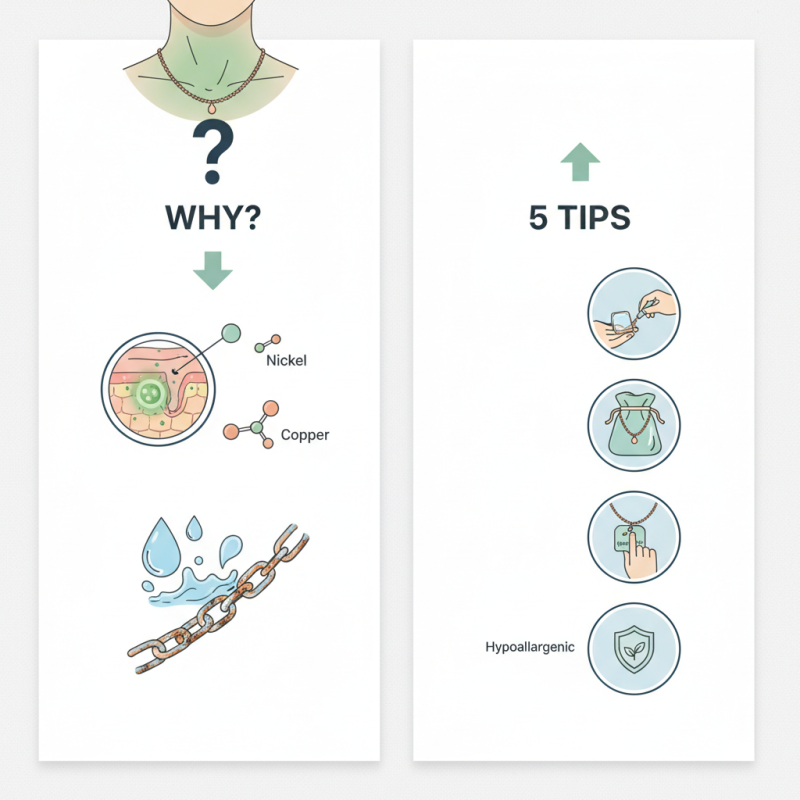
Why is my skin turning green from my necklace 5 tips to fix it?

Understanding the Causes of Skin Discoloration from Jewelry

Skin discoloration from jewelry, particularly a green tint, is a common concern. Studies indicate that around 28% of people experience skin reactions due to metal jewelry. The primary culprit is often copper, commonly found in alloys. When worn, copper can react with moisture or acids on the skin, leading to green stains.

Certain lifestyle factors can exacerbate this issue. For instance, sweating can increase the likelihood of a reaction. Moreover, the acidity levels in your skin can fluctuate due to diet or hormonal changes. This means that even previously safe jewelry might cause a reaction over time. In some cases, prolonged exposure can lead to dermatitis or other skin irritations.

Nickel allergies are another frequent cause of skin discoloration. Reports show that about 10% to 20% of women are sensitive to nickel. This sensitivity can manifest as redness, itching, or discoloration. The materials used in jewelry can significantly impact skin health. Opting for hypoallergenic metals or coatings can mitigate adverse reactions. Awareness of your skin’s unique chemistry is essential in choosing jewelry that won’t harm your skin.

Common Metals That Cause Skin to Turn Green

Wearing certain jewelry can lead to unexpected skin reactions, such as the skin turning green. This is mainly due to the materials used in jewelry. Common metals like copper, nickel, and brass are often the culprits. Research indicates that around 10% of people experience skin reactions, especially from nickel exposure.

Copper, when it comes in contact with skin, reacts with sweat and can produce copper salts. This process creates that green discoloration. According to dermatological studies, exposure to nickel, which is frequently found in costume jewelry, can cause dermatitis. Symptoms often include redness, itching, or the unappealing green stain.

If you frequently notice this reaction, consider switching to hypoallergenic metals. Stainless steel or titanium are good alternatives. Regular cleaning of your jewelry can also minimize skin reactions. Keeping your skin dry and avoiding prolonged wear can help reduce contact with these reactive metals. Always be cautious with cheaper jewelry options; not all manufacturers disclose metal compositions. A reflective moment concerning personal choices regarding jewelry can lead to healthier skin interactions.

How to Choose Skin-Friendly Necklaces and Accessories

Choosing skin-friendly necklaces and accessories is crucial for preventing irritation. Many metals, especially nickel and copper, can react with skin, causing discoloration or allergic reactions. A study revealed that about 20% of people experience skin reactions from metal jewelry. Selecting pieces made from hypoallergenic materials is key to avoiding these issues.

Opt for stainless steel, titanium, or precious metals like gold and silver. These materials are less likely to tarnish and irritate the skin. For instance, pure gold does not react with skin, reducing the risk of discoloration. Consider wearing pieces coated in non-reactive materials, which offer a protective layer against skin irritation.

Before purchasing, check for certifications or labels indicating the metal's purity. Many online retailers now provide detailed information on their products' materials. Simple, minimalist designs often allow for a better wearing experience, leading to fewer chances of skin irritation. Remember, it’s essential to listen to your body and reflect on how your jewelry choices impact your skin health.

Effective Ways to Prevent Skin Discoloration from Jewelry

Jewelry can make a statement, but it can also lead to skin discoloration. When wearing metal necklaces, skin can turn green due to reactions with sweat or products on the skin. Understanding how to prevent this can help maintain your jewelry and skin health.

One effective method is to apply a clear nail polish coat on the jewelry’s interior. This creates a barrier between your skin and the metal. Make sure to let it dry completely before wearing the piece. Additionally, keep your jewelry clean. Dirt and oils can exacerbate reactions, so clean your items regularly with a soft cloth.

Choosing high-quality materials is also essential. Opt for stainless steel or sterling silver instead of cheaper metals. These options are less likely to react with your skin. Finally, consider the occasion. If you know you'll be sweating, it might be wise to skip the necklace for the day. With these simple yet effective steps, you can enjoy wearing your favorite pieces without the worry of skin discoloration.

Tips for Cleaning Jewelry to Minimize Skin Reactions

Jewelry can add elegance to any outfit, but it might also lead to unwanted skin reactions. Skin discoloration, particularly green stains, often results from metal alloys in necklaces. A study from the American Academy of Dermatology shows that 15% of people experience skin irritation from jewelry. It’s essential to understand the cause and find effective cleaning methods to minimize reactions.

Regular cleaning of jewelry is crucial for maintaining its appearance and reducing skin contact with irritants. Warm water mixed with mild soap can gently cleanse surfaces, removing dirt and oils. A non-abrasive cloth can help, particularly for pieces prone to tarnishing, such as silver. It’s recommended to clean jewelry after each wear, especially if you've applied lotions or perfumes. Keeping items stored in dry, breathable pouches can also prevent oxidation.

Considerations around metal content are significant. Metals like copper and nickel can react with moisture and sweat. A report from the Jewelry Institute indicates that nearly 30% of inexpensive jewelry contains nickel. If you notice frequent reactions, explore alternatives such as hypoallergenic materials. Experimenting with different cleaning routines can help in identifying solutions that keep both the jewelry and your skin free from irritation.

FAQS

: Why does my skin turn green when I wear jewelry?

: This occurs due to reactions with metals like copper and nickel, especially when they contact sweat.

Is it common to have skin reactions from jewelry?

Yes, about 10-20% of people experience skin reactions to certain metals in jewelry.

What metals are known to cause skin irritation?

Common culprits include copper, nickel, and brass, which can cause discoloration and dermatitis.

How can I prevent skin discoloration from jewelry?

Apply a clear nail polish on the jewelry’s interior. This barrier minimizes skin contact with metals.

Are there jewelry materials that are safer for my skin?

Yes, consider options like stainless steel, titanium, or precious metals like gold and silver.

Should I worry about cheap jewelry options?

Yes, cheaper jewelry may not disclose metal compositions, increasing the risk of skin reactions.

How often should I clean my jewelry?

Regular cleaning with a soft cloth is essential to remove dirt and oils, which can worsen reactions.

Can poor choices in jewelry affect my skin health?

Reflecting on your jewelry choices is important. It can lead to better skin interactions and less irritation.

Should I wear jewelry when I know I'll sweat?

It’s wise to skip wearing jewelry on sweaty days to reduce the risk of skin reactions.

How can I choose skin-friendly accessories?

Look for hypoallergenic materials, check certifications, and opt for minimalist designs to reduce irritation.

Conclusion

The article titled "Why is my skin turning green from my necklace" explores the reasons behind skin discoloration caused by jewelry. It delves into the common metals found in accessories that can trigger this reaction, primarily due to chemical interactions with skin and sweat. The article emphasizes the importance of choosing skin-friendly materials, offering advice on which types of necklaces and accessories are less likely to cause irritation.

Furthermore, it provides effective strategies to prevent skin discoloration, including routine care and maintenance of jewelry to minimize potential reactions. Tips for cleaning jewelry are also discussed, focusing on methods that can help maintain the integrity of the pieces while protecting the skin. By following these guidelines, individuals can enjoy their jewelry without the concern of skin discoloration.

Ethan

Ethan

Ethan is a seasoned marketing professional with a deep expertise in our company's innovative product line. With a passion for sharing knowledge and insights, he takes the lead in regularly updating our corporate blog, where he explores industry trends, product features, and effective marketing......