Why Is Sterling Silver Mixed With Copper?

Time:2026-11-19 Author:Sophia
0%

Why is sterling silver mixed with copper? The answer begins with a practical weakness: fine silver is beautiful, but soft. A ring made from nearly pure silver can bend under everyday pressure. A spoon may scratch quickly. Copper helps the metal keep its shape.

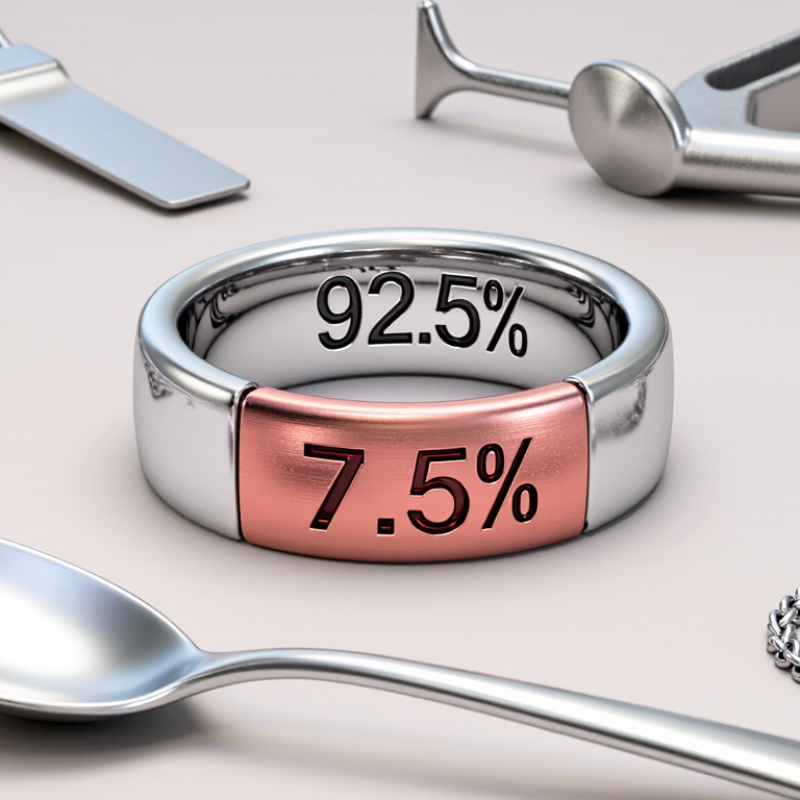
Sterling silver commonly contains 92.5% silver and 7.5% copper. That small addition improves hardness and durability without hiding silver’s bright, pale appearance. Precious-metals metallurgist Christopher Corti is a recognized specialist in precious-metal alloys. A concise paraphrase of the metallurgical principle behind this blend is: “Copper gives silver the strength needed for everyday use.” This is a paraphrase, not a verified direct quotation.

There is a trade-off. Copper can contribute to tarnishing, so a sterling-silver chain may darken after contact with air, moisture, or substances containing sulfur. A soft polishing cloth can often restore its shine. The alloy is not indestructible, either. Thin prongs and delicate edges still need care. That matters.

Why is sterling silver mixed with copper is therefore more than a question about tradition. It is about balancing appearance, workability, and strength. The exact alloy and the way an item is made can affect its performance. Copper does not make silver perfect; it makes silver more practical. That distinction is easy to overlook.
Why Is Sterling Silver Mixed With Copper?

What Sterling Silver Is and How Its Purity Is Measured

Why Is Sterling Silver Mixed With Copper?

What Sterling Silver Is and How Its Purity Is Measured

Sterling silver is an alloy containing 92.5% silver by mass. The remaining 7.5% is usually copper, added to make the metal harder and more suitable for everyday objects. Nearly pure silver is soft; a spoon or ring made from it can bend or scratch more easily. That matters.

Purity is commonly shown as “925,” meaning 925 parts silver per 1,000 parts of metal. A small stamp can identify the intended standard, but it is not a laboratory test. For a closer check, professionals may use X-ray fluorescence to estimate the surface composition. More definitive testing can involve taking a tiny sample, so the method depends on the item and the question being asked.

Copper can also affect how silver changes over time. Exposure to air, moisture, and substances such as skin oils may darken its surface. That discoloration does not automatically mean the silver is fake. Still, a stamp alone cannot reveal an item’s full history, repairs, or uneven composition. I find that detail easy to overlook: the number is useful, but the object itself deserves a closer look.

Why Pure Silver Is Too Soft for Everyday Use

Pure silver is remarkably bright, but its softness makes it vulnerable to everyday knocks. A ring can catch on a pocket, while a thin chain may stretch with repeated tugging. Sterling silver adds copper to make the metal more durable. It usually contains 92.5 percent silver and 7.5 percent other metals, commonly copper.

That small change helps. Copper makes the alloy harder, so a spoon or bracelet is less likely to bend under ordinary use. It does not make silver scratch-proof, though. A sterling ring can still pick up fine marks from keys, tools, or a rough countertop. I would not call it indestructible; that would promise too much.

Copper has a trade-off. It can react with air and moisture, contributing to tarnish that darkens the surface over time. A soft polishing cloth often removes light tarnish, while storing silver dry can slow its return. People with sensitive skin may also find that certain alloys irritate them, so the exact metal mix matters. The balance is practical, not perfect: more strength for daily wear, with occasional cleaning and careful handling still needed.

How Copper Improves Sterling Silver’s Strength and Durability

Pure silver is soft enough to bend under everyday pressure, especially in thin rings or delicate settings. Sterling silver usually contains 92.5 percent silver and 7.5 percent copper. That small addition changes how the metal behaves. Copper makes the alloy harder, so a spoon or ring is less likely to dent from an ordinary knock. It also helps a piece keep its shape during forming and polishing. You can feel the difference in a sturdy ring that resists bending when gently pressed. Not indestructible, though.

Copper strengthens sterling silver by helping its crystal structure resist movement when force is applied. This improves wear resistance, but it does not make the metal immune to scratches or damage. A thin chain can still kink, and a ring can still pick up marks against a hard countertop. There is a trade-off: copper can react with moisture, sulfur compounds, and skin oils, contributing to tarnish over time. Regular gentle cleaning and dry storage can help slow that change. I once expected a harder alloy to need less care; that assumption was a little too simple. The added strength makes sterling silver more practical, not maintenance-free.

Why Is Sterling Silver Mixed With Copper?

Copper adds strength and durability while preserving sterling silver’s bright appearance.

Fine silver is typically 99.9% silver and is relatively soft. Traditional sterling silver contains 92.5% silver and 7.5% copper; the copper makes the alloy harder and more suitable for everyday jewelry and objects. Sterling standards may also permit other alloying metals.

How Copper Content Affects Silver’s Appearance and Properties

Pure silver is bright, but it bends and scratches easily in everyday use. Sterling silver contains at least 925 parts silver per thousand under ISO 9202:2019; copper commonly makes up much of the remaining 75 parts. That small fraction matters. Copper strengthens the alloy, helping a ring or spoon keep its shape through regular handling and polishing.

The color change is usually subtle. A well-polished sterling piece looks bright white, while copper can lend it a faintly warmer cast than fine silver. Surface finish and lighting also affect what the eye sees. I would not call every warmer tone a defect; judging color by eye alone can be misleading. Over time, sulfur compounds in air can tarnish silver, and copper in the alloy may contribute to darker or uneven patches. A soft cloth may brighten the surface, though aggressive polishing can gradually remove metal.

There is real demand for this practical balance: The Silver Institute’s World Silver Survey 2024 reported 203.1 million ounces of global silver-jewelry fabrication in 2023. That figure covers silver jewelry broadly, not sterling alone, but it shows why appearance and durability both matter. Copper is useful, not invisible. Its exact effect depends on the alloy, finish, and care.

Where Copper-Alloyed Sterling Silver Is Commonly Used

Why Is Sterling Silver Mixed With Copper?

Where Copper-Alloyed Sterling Silver Is Commonly Used

Sterling silver contains 92.5% silver, with copper commonly added to strengthen the remaining alloy. Pure silver is relatively soft, so it can bend or scratch during everyday use. Copper helps sterling silver hold its shape without taking away its bright, familiar appearance. The alloy still needs regular care. Tarnish can develop, especially in humid air or after contact with lotions.

Copper-alloyed sterling silver is widely used for rings, bracelets, necklaces, and earrings. It is practical for pieces that face frequent handling, such as a ring brushed against desk edges or a chain tucked beneath a shirt. The material also appears in serving spoons, small bowls, and decorative objects. These items benefit from added durability, though thin details can still dent or wear. That trade-off is easy to overlook.

Tips: Store silver in a dry, closed pouch, and wipe it gently after wearing. Avoid abrasive cleaners, which may leave fine scratches. If a piece has stones, enamel, or delicate details, check suitable cleaning methods before polishing. Tarnish is normal; it does not automatically mean the silver is low quality.

FAQS

What is sterling silver?

It contains 92.5% silver by mass. The remaining 7.5% is usually copper.

What does a 925 stamp mean?

It indicates 925 parts silver per 1,000 parts of metal. A stamp is useful, but it is not a laboratory test.

Why is copper added to sterling silver?

Copper makes silver harder and helps it hold its shape. Pure silver can bend more easily. That small change matters.

Is sterling silver resistant to scratches and dents?

It is more durable than pure silver, but it can still scratch or dent. Thin chains may kink, too.

Does tarnish mean an item is fake?

No. Moisture, air, skin oils, and some other substances can darken the surface. Tarnish alone proves little.

How can sterling silver purity be checked?

A professional may use X-ray fluorescence to estimate surface composition. More definitive testing may require a tiny sample.

What items are commonly made from sterling silver?

Rings, bracelets, necklaces, earrings, serving spoons, small bowls, and decorative objects are common uses.

How should sterling silver be stored and cleaned?

Keep it dry in a closed pouch, and wipe it gently after wearing. Avoid abrasive cleaners. I used to assume harder metal needed less care; that was too simple.

Conclusion

Why is sterling silver mixed with copper? Pure silver is attractive and valuable, but it is also soft enough to bend, scratch, or lose its shape during everyday wear. Sterling silver combines mostly silver—commonly 92.5 percent—with a smaller amount of copper to create a harder, more durable material. The added copper helps jewelry and household items better withstand handling while allowing them to retain silver’s familiar bright appearance.

The amount of copper can influence sterling silver’s hardness, color, and resistance to wear. Well-made sterling silver generally remains silver in appearance, though it may gradually tarnish as its surface reacts with substances in the environment. This balance of beauty and practicality makes copper-alloyed sterling silver a popular choice for rings, necklaces, earrings, tableware, and decorative objects. Its composition preserves much of silver’s visual appeal while making it more suitable for items used regularly.

Sophia

Sophia

Sophia is a dedicated marketing professional with an exceptional depth of knowledge about her company's products and services. With a keen understanding of market trends and customer needs, she crafts insightful blog posts that not only inform but also engage readers, enriching the company’s online......