Top 10 Reasons Why Natural Stones Vary in Color?

Time:2026-10-22 Author:Sienna
0%

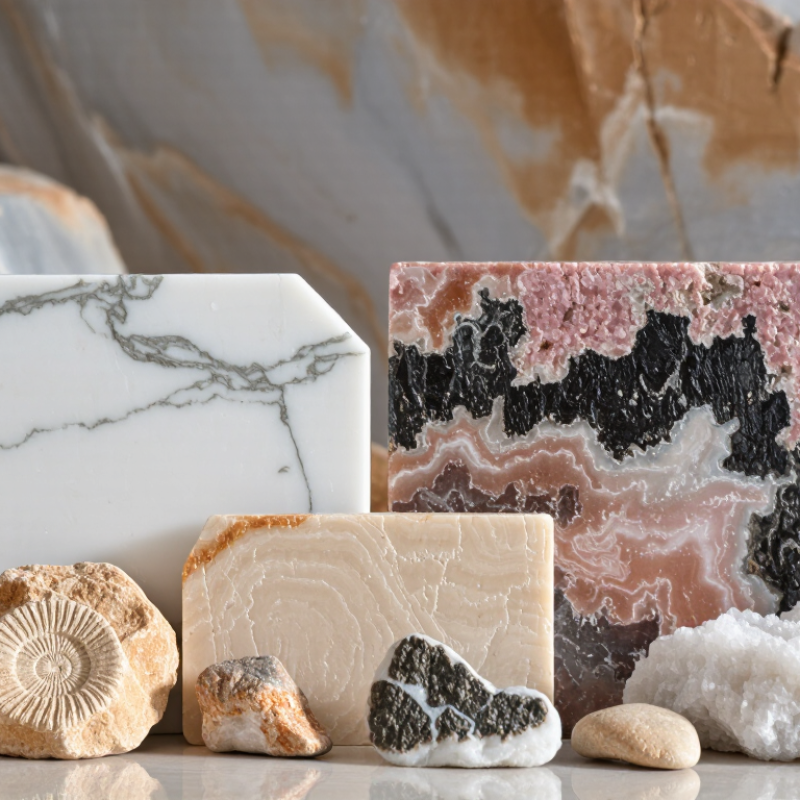
Why do natural stones vary so much in color? The answer begins deep underground, where minerals, heat, pressure, water, and time interact differently in every deposit. A white marble may contain delicate grey veining from graphite or darker mineral impurities. Granite can show pink feldspar, black biotite, and translucent quartz within one slab. Even stones cut from the same quarry bench may display noticeably different tones.

Industry evidence supports this natural variation. The U.S. Geological Survey’s Mineral Commodity Summaries 2024 identifies mineral composition, geological formation, and extraction conditions as important factors in dimension-stone characteristics. The Natural Stone Institute’s Dimension Stone Design Manual also emphasizes that color, veining, texture, and background movement are inherent qualities of natural stone, not manufacturing defects. These references help explain why digital samples and small showroom tiles cannot represent an entire shipment perfectly.

Geologist Robert L. Folk captured this idea clearly: “Every stone is a story in itself.” His observation reflects the practical experience of fabricators, architects, and installers who inspect slabs under changing light. Still, product descriptions can oversimplify the science. A beige limestone may appear warmer beside cool lighting and yellower beside wood cabinetry. Moisture can deepen its tone temporarily. Quarry depth can change the visible pattern. This introduction explores ten major reasons behind those differences, including mineral chemistry, oxidation, fossil content, geological pressure, weathering, and finishing methods. Expect variation. Plan for it.
Top 10 Reasons Why Natural Stones Vary in Color?

Mineral Composition and Its Influence on Stone Color

Natural stone rarely has one fixed color. Its mineral composition creates the basic palette, while geological history adds subtle changes. Quartz often appears clear, white, or gray. Feldspar may produce cream, pink, or warm beige tones. Calcite commonly forms white, ivory, and soft honey shades.

Small amounts of other minerals can change the entire surface. Iron oxides may create red, orange, yellow, or brown marks. Chlorite can add green areas to metamorphic stone. Graphite and other carbon-rich materials may deepen gray or black tones. Even tiny mineral differences can create veins, speckles, and cloudy patches.

Look closely at a freshly cut sample. The color may seem stronger than on its weathered face. Water can temporarily darken the surface. Lighting also changes how minerals appear. In site inspections, I compare dry, wet, and edge surfaces before judging a stone. A field guess can still be wrong. Mineral color alone does not confirm composition. Petrographic analysis or laboratory testing provides stronger evidence when consistency matters. Grain size, mineral distribution, oxidation, and heat history also influence the final appearance. Two slabs from one quarry may therefore look related, but never perfectly identical.

Impurities and Trace Elements Within Natural Stone

Top 10 Reasons Why Natural Stones Vary in Color?

Impurities and trace elements are major causes of color variation in natural stone. During formation, tiny amounts of iron, copper, manganese, or carbon enter the mineral structure. Iron may create yellow, red, or rusty brown tones. Manganese can produce pink, purple, or deep gray shades. Copper sometimes adds green or blue traces. These elements may appear as veins, clouds, speckles, or subtle background changes.

Geological pressure also affects how these impurities develop. Heat can oxidize iron and intensify warm colors. Water may move minerals through small cracks, forming delicate lines across a slab. In marble, graphite can create soft gray movement. In granite, dark mica and amphibole often produce black flecks. A polished surface usually makes these details look stronger.

Nature is rarely perfectly consistent.

In stone inspection, I have learned that one sample cannot represent an entire quarry. Even nearby blocks may show different mineral patterns. Lighting, polishing, moisture, and viewing direction can change the perceived color. A small sample may look uniform, yet the installed surface may contain dramatic movement. This is where expectations can fail. Quarry records, full-slab photographs, and professional inspection provide better evidence. Still, no method removes every uncertainty. Variation is not automatically a defect; it is often the visible history of the stone.

Top 10 Reasons Why Natural Stones Vary in Color? - Impurities and Trace Elements Within Natural Stone

No. Color-Causing Factor Typical Minerals or Elements Common Color Effects How It Changes the Stone Examples of Natural Stones
1 Iron-bearing minerals Iron oxides, iron hydroxides, and iron-bearing silicates Red, yellow, brown, orange, green, or gray Iron may occur in different chemical states and minerals, producing varied tones and veining. Granite, sandstone, marble, slate
2 Manganese compounds Manganese oxides and manganese-bearing minerals Black, dark brown, purple, or gray Small concentrations can create dark speckles, dendritic patterns, or localized patches. Limestone, marble, sandstone
3 Carbon and organic matter Carbonaceous material, graphite, and preserved organic matter Gray, charcoal, black, or bluish gray Carbon-rich layers or particles absorb light and darken otherwise pale rocks. Black limestone, dark marble, slate
4 Copper-bearing minerals Copper carbonates and copper sulfides Green, blue, turquoise, or blue-green Copper minerals commonly form in veins, pockets, or alteration zones within the host rock. Copper-bearing marble, limestone, and altered igneous rocks
5 Chromium and vanadium Chromium-bearing minerals, vanadium compounds, and green mica varieties Emerald green, olive, bluish green, or violet These elements can replace other ions in crystal structures and alter light absorption. Green marble, serpentine, some quartz varieties
6 Clay minerals Kaolinite, illite, chlorite, and other fine-grained clay minerals White, cream, beige, gray, green, or brown Fine clay particles fill pores, coat grains, or form layers that soften and modify the base color. Sandstone, shale, slate, limestone
7 Mineral proportions and grain size Quartz, feldspar, mica, calcite, dolomite, and other primary minerals White, pink, cream, gray, black, or mixed colors Different amounts, sizes, and orientations of minerals change the overall visual balance and pattern. Granite, gneiss, marble, quartzite
8 Fluid-filled cracks and veins Quartz, calcite, zeolites, iron oxides, and hydrothermal minerals White, translucent, red, orange, green, or dark contrasting lines Mineral-rich fluids deposit new materials in fractures, creating veins and irregular color networks. Marble, quartzite, limestone, granite
9 Weathering and oxidation Oxidized iron, altered feldspar, clay minerals, and surface coatings Rust red, ochre, tan, pale yellow, or faded gray Water, oxygen, and surface exposure transform minerals and may produce a different outer color from the interior. Sandstone, granite, limestone, slate
10 Heat, pressure, and metamorphic reactions Recrystallized calcite, mica, amphibole, garnet, and other metamorphic minerals White, gray, green, pink, red, black, or strongly banded colors Geological heat and pressure can rearrange minerals, create new phases, and intensify or redistribute color. Marble, gneiss, schist, quartzite

Note: Natural stone color is usually the result of several factors acting together. Color intensity can also vary according to mineral concentration, crystal size, lighting, surface finish, moisture, and the specific location from which the stone was extracted.

Geological Formation and Changes in Rock Color

Top 10 Reasons Why Natural Stones Vary in Color?

Natural stone rarely has one fixed color. Its appearance records geological formation over thousands or millions of years. Mineral composition is the main influence. Quartz may create pale tones, while feldspar can add pink or cream shades. Small amounts of iron, copper, manganese, or carbon create strong impurities. Grain size also changes how light moves through the surface.

Pressure and heat can transform minerals during metamorphism. New crystals may produce bands, veins, or darker patches. Underground fluids carry dissolved minerals through cracks, leaving white, yellow, green, or red deposits. Oxidation changes iron-bearing minerals, often creating rusty brown surfaces. Organic matter and fossils may add gray, black, or warm brown details. Weathering continues the process. Rain, air, salts, and temperature changes slowly alter exposed stone.

Moisture makes many stones look deeper and darker. Dry surfaces appear lighter. Quarry depth matters too, because buried layers face different pressure, chemistry, and oxygen levels. In field inspections, I compare a freshly cut face with a weathered edge. The difference can be striking. Still, color alone cannot reliably identify a stone. Lighting, polishing, dust, and nearby materials can mislead even careful observers. I once judged a gray sample as uniform, then noticed subtle blue and rust tones after wetting it. That mistake remains useful: geological color needs context, not a quick glance.

Weathering, Oxidation, and Environmental Effects

Top 10 Reasons Why Natural Stones Vary in Color?

Weathering, Oxidation, and Environmental Effects

Natural stone changes color because its minerals respond to the environment. During site inspections, I often see fresh cuts look brighter than exposed surfaces. Rainwater slowly enters pores and carries minerals toward the surface. This movement can create pale edges, darker veins, or uneven patches.

Oxidation is another major influence. Iron-bearing minerals may react with oxygen and moisture. The result can be warm red, yellow, brown, or orange tones. Coastal air adds salt, which may speed surface deterioration. In colder regions, repeated freezing and thawing can widen tiny cracks. These cracks hold water, dust, and organic matter. The stone may then appear darker.

Sunlight also matters. Ultraviolet exposure can fade some minerals and coatings over time. Pollution may leave a gray film, especially on textured façades. Soil contact often produces green or brown staining near the base. However, color changes do not always indicate damage. Some are natural signs of mineral maturity. Others signal poor drainage or unsuitable cleaning methods.

A sample can mislead. Quarry layers vary, and one slab may not represent an entire shipment. I have seen approved samples differ after installation. That experience makes careful inspection essential. Compare dry and wet surfaces. Check shade, texture, moisture paths, and nearby vegetation. Even then, predictions remain imperfect. Nature does not follow a uniform color chart.

Quarry Location, Veining, and Natural Color Variation

Natural stone varies in color because it records the geology of its birthplace. Quarry location matters greatly. One section may contain warm beige minerals, while another shows cooler gray layers. Depth can change the stone, too. Pressure, groundwater, and mineral deposits create subtle shifts. A slab cut near a seam may look darker. A nearby block may appear almost uniform. This is not a defect. It is geological evidence. Yet, judging color from one small sample can still mislead.

Veining adds another layer of variation. Iron minerals may form rust-colored lines. Calcite can create white movement. Carbon-rich material may produce deep gray marks. Cutting direction also changes the pattern. A cross-cut slab can look calmer than a vein-cut slab from the same block. Polishing increases contrast, while a honed finish often softens it. Lighting changes perception. Cool LEDs may emphasize blue undertones, while sunlight can reveal warmer details. In practice, professionals compare several slabs together, not one photograph.

Tips: Request samples from the current quarry lot and inspect them in your actual room. View them wet and dry. Check morning and evening light. Place samples beside cabinets, flooring, and grout. Ask the fabricator about block location, cut direction, and expected variation. Keep a record of approved pieces. Even then, accept some uncertainty. Natural material rarely follows a perfect color chart, and my own first impressions have occasionally been wrong.

FAQS

Why can natural stone show different colors within one slab?

Tiny amounts of iron, copper, manganese, or carbon change the mineral structure. Veins, clouds, speckles, and patches may appear. Nature is rarely consistent.

How do iron and other trace elements affect stone color?

Iron may create yellow, red, orange, or rusty brown tones. Manganese can produce pink, purple, or deep gray shades. Copper may add green or blue traces.

Can geological pressure and heat change a stone’s appearance?

Yes. Heat can intensify iron oxidation and warm colors. Pressure can create bands, darker patches, and new crystal patterns. The result is not always predictable.

Why might a wet stone look darker than a dry stone?

Moisture deepens many colors and makes veins easier to notice. Dry surfaces usually appear lighter. I once judged a gray sample as uniform, but water revealed blue and rust tones.

Does one small sample represent an entire quarry?

Usually, no. Nearby blocks may contain different mineral patterns. A small sample can look calm, while a full slab shows dramatic movement.

How can sunlight, rain, and air change natural stone?

Sunlight may fade some minerals or surface coatings. Rain can move minerals through pores. Air and moisture may oxidize iron, creating brown, yellow, or orange areas.

Are color changes always signs of damage?

No. Some changes reflect natural mineral maturity. Others may indicate poor drainage, salt exposure, or unsuitable cleaning. The difficult part is telling them apart.

What should be checked before installing natural stone?

Review full-slab photographs and quarry records. Compare dry and wet surfaces. Inspect texture, lighting, moisture paths, and nearby vegetation. Even careful checks cannot remove every uncertainty.

Can lighting and polishing affect perceived stone color?

Yes. Polishing can strengthen veins and mineral details. Viewing direction, nearby materials, dust, and lighting can also mislead the eye. My first impression has sometimes been wrong.

Conclusion

Natural stone varies in color because its appearance reflects a complex combination of mineral composition, geological history, and environmental exposure. Different minerals create distinct base colors, while small amounts of impurities and trace elements can introduce shades of red, yellow, green, blue, brown, or gray. The conditions under which a stone forms, including heat, pressure, water movement, and mineral transformation, can further influence its color and create unique patterns.

Why do natural stones vary so much in color? Weathering and oxidation may gradually change the surface, especially when minerals react with air, moisture, or surrounding soil. In addition, each quarry location contains its own geological characteristics, resulting in differences in background tone, veining, crystal distribution, and intensity. Even within the same quarry, individual blocks may show natural variations. These differences are not defects; they are evidence of the stone’s formation and contribute to its distinct character and visual appeal.

Sienna

Sienna

Sienna is a skilled marketing professional with a deep expertise in our company’s core products and services. With a passion for innovation and detail, she plays a pivotal role in crafting insightful blog posts that not only highlight the unique features of our offerings but also provide valuable......